
Asphalt Sweeping Insights: What Contractors Know About Pavement Longevity
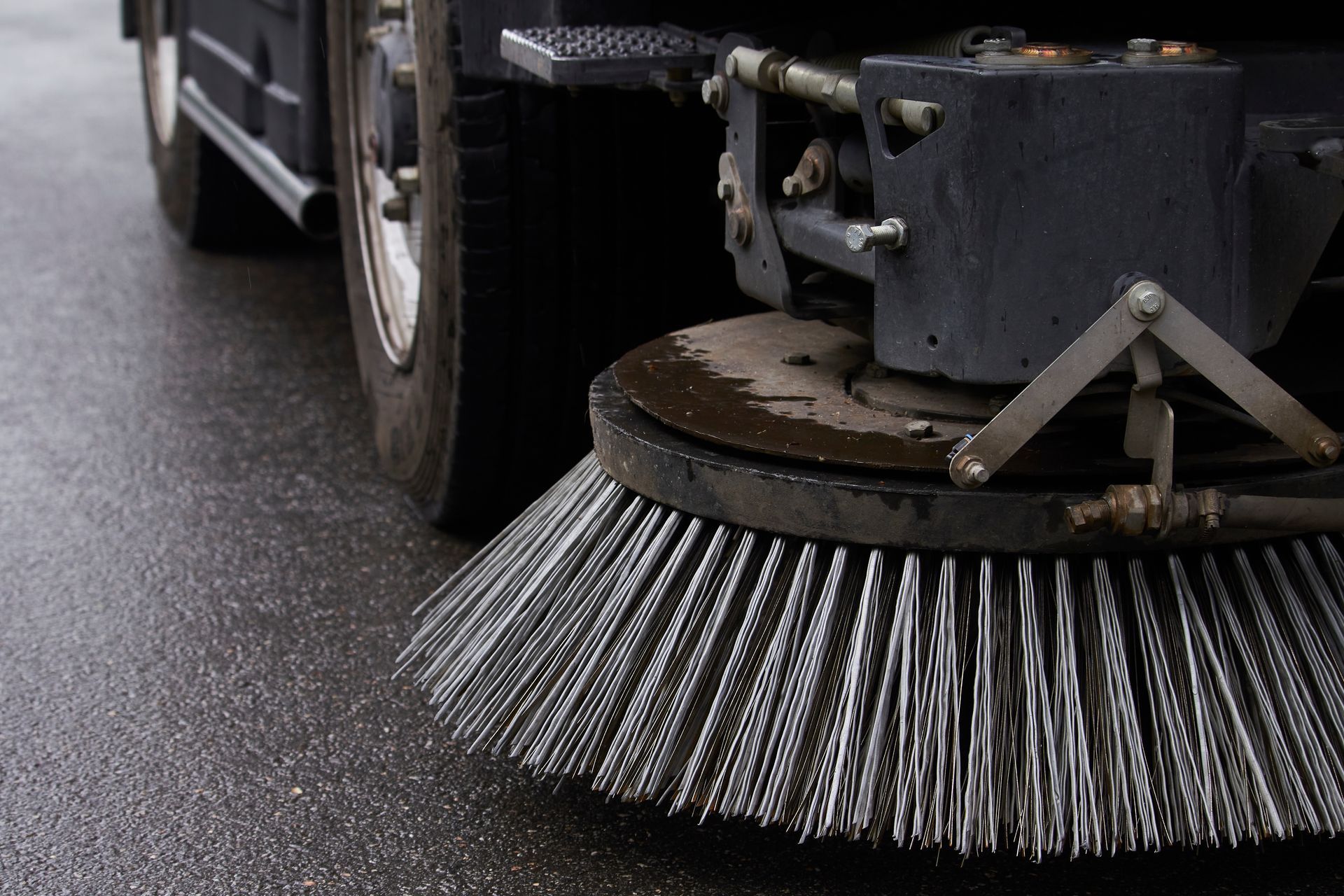
Asphalt sweeping is one of the most underrated tools for protecting pavement from premature failure. Whether you manage a retail parking lot near US-1, a commercial complex off SR-16, or a multi-unit property in the St. Johns County corridor, debris buildup directly affects how long your pavement lasts. This article covers how regular asphalt sweeping slows surface deterioration, delays costly repairs, and keeps sealcoating performing the way it should.
How Debris and Sand Accelerate Asphalt Breakdown
Debris does more damage than it looks. Sand, grit, and organic material grind against the surface every time a tire rolls over them, acting like sandpaper on the binder that holds asphalt together.
Northeast Florida's proximity to the coast matters here. Fine coastal sand is especially abrasive. When it collects in parking lots and driveways around St. Augustine and Ponte Vedra Beach, it works into surface pores and micro-cracks, loosening aggregate and making pavement rough and porous.
Organic debris adds another problem. Leaves and plant matter trap moisture against the asphalt surface. Florida's frequent summer rains then push that moisture into existing micro-cracks, weakening the sub-base below. Once water gets under the surface, damage accelerates and becomes far more expensive to fix.
Regular asphalt sweeping removes abrasive and moisture-trapping material before it causes lasting harm. Pavement that is swept consistently may hold its surface texture significantly longer than pavement left to accumulate debris season after season.
Why NE Florida's Climate Makes Sweeping More Important
The climate in northeast Florida is unusually hard on asphalt. Pavement here faces intense UV radiation, high heat, heavy seasonal rain, and humid air in combination.
UV exposure drives oxidation. When UV rays penetrate the asphalt surface, they break down the binder, causing the surface to gray, stiffen, and crack. Debris and surface contamination make this worse by holding heat against the pavement and preventing proper drainage after storms.
Florida's rainy season, which typically runs from May through October, adds further stress. Heavy downpours push debris into drains and surface cracks. Clogged drains cause standing water, which softens the base layer and accelerates rutting and pothole formation.
Regular parking lot sweeping removes material that blocks drains, reduces heat retention, and keeps surface pores clear so water runs off as it should.
Does Sweeping Actually Delay Cracking?
Yes. Debris-free pavement drains faster after rain, reducing the time moisture sits on or near the surface. Clean surfaces also allow maintenance crews to spot small cracks early, before water infiltration turns minor issues into structural failures.
Consider two parking lots built the same year from the same material. One is swept regularly and inspected often. The other collects sand, leaf litter, and storm debris between infrequent cleanups. The maintained lot may show cracking years later than the neglected one, potentially delaying the need for full sealcoating or overlay by a meaningful interval.
How Does Sweeping Support Sealcoating Performance?
Clean pavement is essential for effective sealcoating. Sealcoat applied over a dirty surface cannot bond correctly. Sand, oil residue, and organic material create a barrier between the sealant and the asphalt, reducing adhesion and shortening the life of the treatment.
Sweeping before sealcoating helps the protective layer make full contact with the pavement surface. That better bond means the sealcoat lasts longer and defends against UV and moisture more effectively, which matters considerably in Florida's climate.
What a Consistent Sweeping Schedule Looks Like
Sweeping frequency depends on the type and location of the property. High-traffic commercial lots near St. Augustine's busy corridors may need more frequent service than lower-traffic residential properties.
A reasonable baseline for most commercial properties includes weekly or biweekly sweeping for high-traffic lots, monthly sweeping for lower-traffic properties, post-storm sweeping after significant weather events, and pre-sealcoating sweeping as a required step before any surface treatment.
Each visit also serves as an informal inspection. A crew that sweeps your lot regularly is likely to notice new cracking, pooling water, or damaged striping while on site.
Sweeping as Part of a Full Pavement Maintenance Plan
Asphalt sweeping works best as part of a broader maintenance program. On its own, it keeps the surface clean and supports drainage. Combined with sealcoating, crack repair, and striping, it becomes part of a system that can measurably extend pavement life.
Sealcoating protects against UV oxidation and moisture. Crack filling stops water from reaching the base layer. Striping keeps traffic moving safely. Sweeping keeps all of those treatments working by ensuring the surface stays clean between service cycles. Each layer of the maintenance program supports the others.
For property managers in the St. Augustine, FL, area, this integrated approach may reduce how often costly full-depth repairs or repaving is needed.
Partner With a Local Crew That Knows NE Florida Pavement
Regular asphalt sweeping in St. Augustine, FL, is a cost-effective way to protect your pavement investment over the long term. The coastal sand, subtropical heat, and seasonal storm activity in St. Johns County accelerate asphalt wear faster than many property owners realize. A consistent sweeping program, combined with sealcoating and proactive maintenance, may push back the timeline on cracking and surface failure significantly.
Pro Sealed Asphalt Inc. serves commercial and residential clients across the St. Augustine area with sweeping, paving, sealcoating, and pavement maintenance services. Their team can help you build a maintenance schedule tailored to your property's traffic levels and surface condition. Request a free quote by visiting
Pro Sealed Asphalt Inc. or
contact the team directly to get started.